
Ingredient Deep-Dive: Turmeric
Known for its vibrant, golden-orange color and distinctive taste that adds zing to any dish, turmeric is full of nutritional benefits for your body and brain. Its medicinal properties are well-known, and its superfood status makes this the ultimate health powerhouse that you should add to your diet.
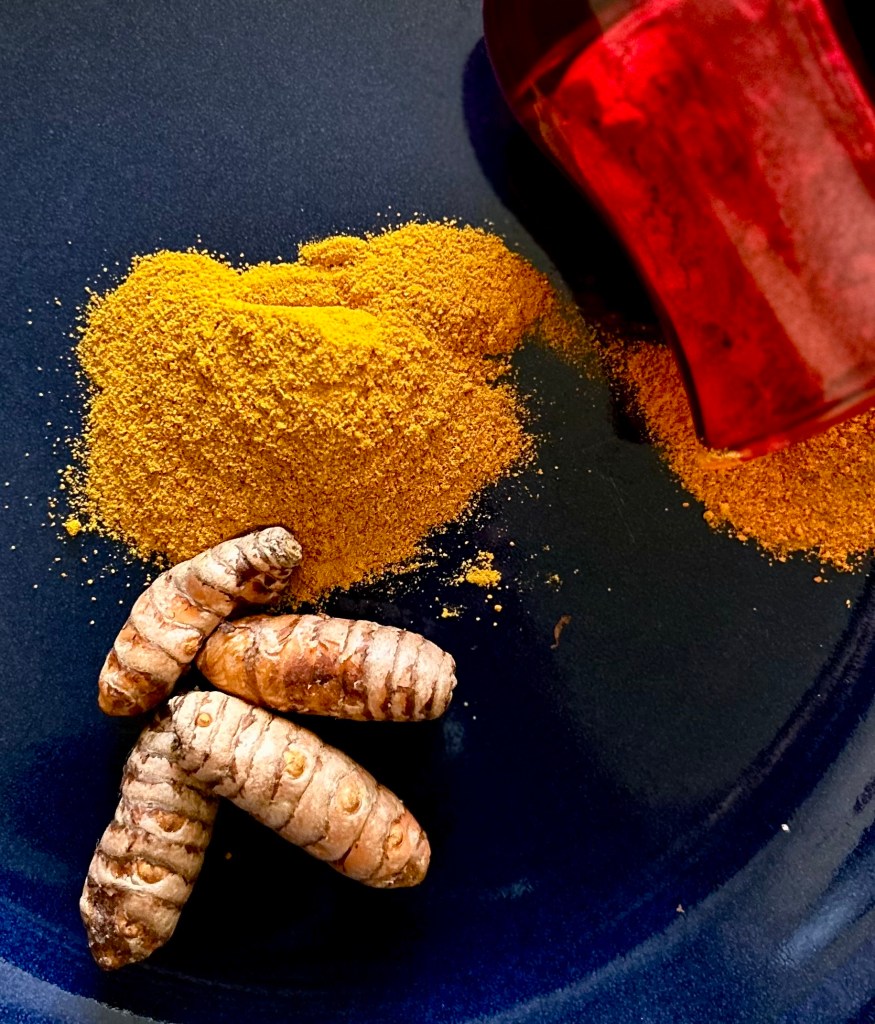
What is turmeric?
A relative of ginger, turmeric comes from the rhizome (underground stem) of a plant that is native to Southeast Asia and grown commercially there, particularly in India. Turmeric was historically used in Ayurvedic and other traditional forms of Indian and Eastern Asian medicine. In India, it was traditionally used to treat skin disorders and diseases affecting the respiratory tract, joints, and digestive system.
Today, it’s a common spice and a major ingredient in curry powder, which is what gives curry its distinctive yellow color. Turmeric is also promoted as a dietary supplement for various conditions and has been shown to contain compounds with medicinal properties.
What are the benefits of turmeric?
Here are 6 evidence-based health benefits of turmeric that make this spice one of a kind.
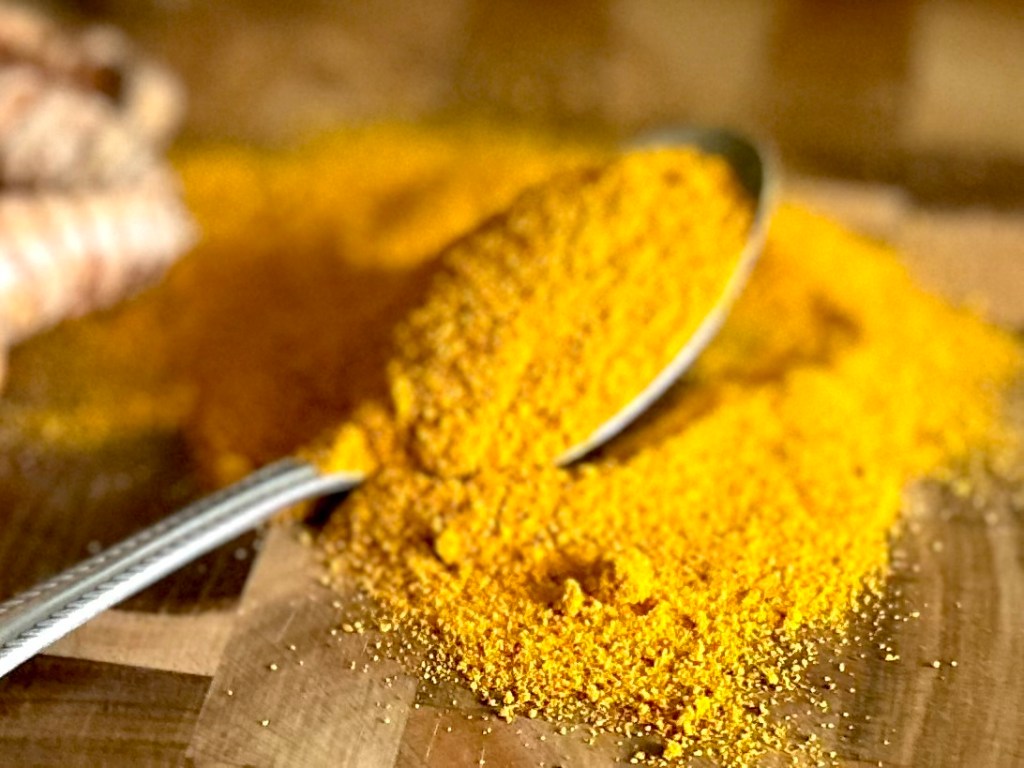
1. Contains bioactive compounds called curcuminoids
The most important one is called curcumin, which is the main active ingredient in turmeric. Curcumin contains anti-inflammatory and antioxidant properties that may protect the body by neutralizing free radicals and shielding cells from damage. Although very high doses of the compound are required to produce medicinal results, it still can help reduce chronic inflammation.
2. May lower risk of heart disease
With heart disease being the number one leading cause of death in the world, some research suggests that curcumin may help reduce the risk of heart disease by specifically helping to improve the function of the endothelium (the lining of blood vessels). A functioning endothelium helps regulate blood pressure, clotting, and various other factors, which can reduce the possibility of heart disease.
3. Can boost brain-deprived neurotrophic factor
Brain-deprived neurotrophic factor (BDNF) plays a huge role in memory and learning, and many common brain disorders like depression and Alzheimer’s have been linked to decreased levels of BDNF proteins. Studies have found that curcumin may help increase these levels and could be effective in delaying or reversing brain disorders. However, more studies are needed to confirm this.

4. May help prevent cancer
Curcumin has been studied as a beneficial herb in cancer treatment and has been found to affect cancer growth. Studies have shown that it can help kill off cancerous cells, reduce angiogenesis (the growth of new blood vessels in tumors), and reduce metastasis (the spread of cancer).
5. May help prevent osteoarthritis
Turmeric is known for its anti-inflammatory properties, and a study on patients with osteoarthritis suggested that curcumin was more effective in relieving pain than a placebo. However, more research is needed to see if curcumin can replace non-steroidal anti-inflammatory drugs (NSAIDs) to treat arthritis pain.
6. Has benefits against depression
Curcumin has been shown to have positive effects on the brain, including boosting levels of serotonin and dopamine, reducing inflammation, and encouraging brain plasticity. This suggests that turmeric may be a safe and effective natural antidepressant, as a 2017 study found.
Risks and other notes
- Curcumin is known to have poor bioavailability (the rate at which your body absorbs a substance), which is often why it’s recommended to take turmeric with black pepper. Black pepper contains piperine, a natural substance that improves the absorption of curcumin by a whopping 2,000%.
- Some people choose to use supplements to get the full effect of turmeric, and the best curcumin supplements contain piperine, making them more effective.
- Curcumin is fat soluble (breaks down in fat or oil), and it may be a good idea to take curcumin supplements with a meal that’s high in fat.
- Turmeric isn’t recommended for those who are: pregnant or nursing, have gallbladder or kidney problems, have bleeding disorders, diabetes, or iron deficiency. It’s always best to consult with your health care provider before taking turmeric and how it’d affect any medications you’re taking.
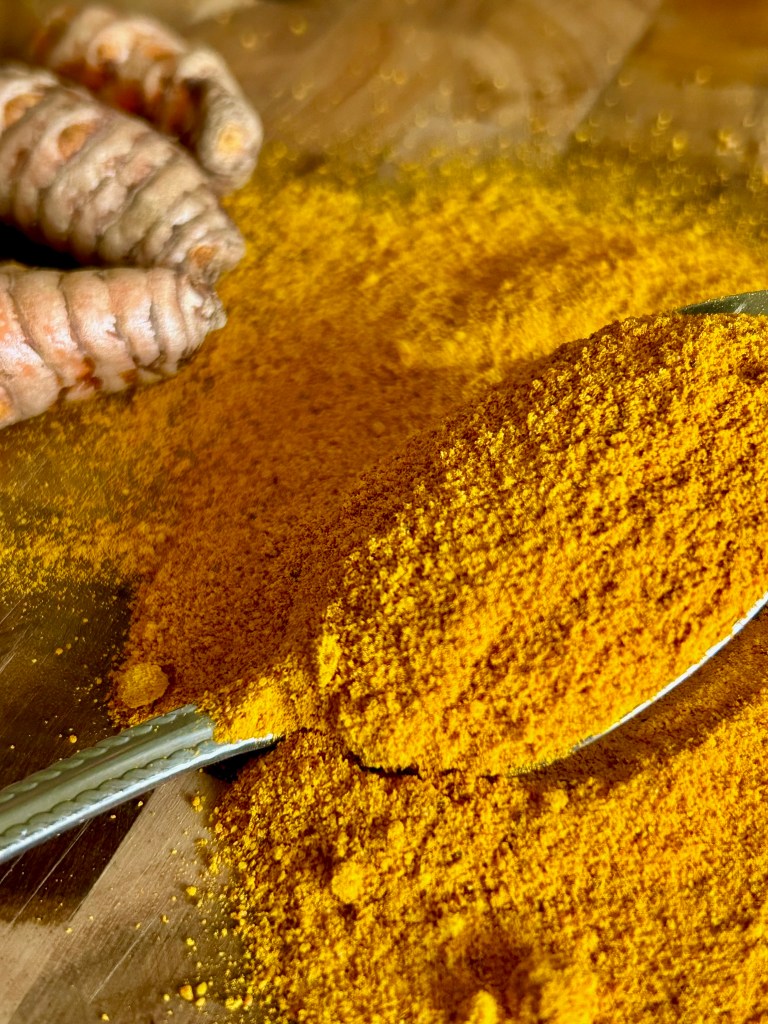
Adding turmeric to your diet
Turmeric is not only a delicious spice to add to savory dishes and hot teas, but it has many scientifically proven health benefits, thanks to its active component curcumin. Although many people choose to use curcumin supplements to get the full effects, turmeric when used as a spice still has potent anti-inflammatory and antioxidant benefits for your body and mind.
Curious to try turmeric? Why not try it as a beverage? I highly recommend trying my Golden Milk Turmeric Tea recipe, which features turmeric as the main character and is the nutritional equivalent of a warm hug for your body. Plus it’ll keep you warm during these cold winter months ahead!


Very informative
Thank you !
Never know Al this health benefits
Thank you for visiting